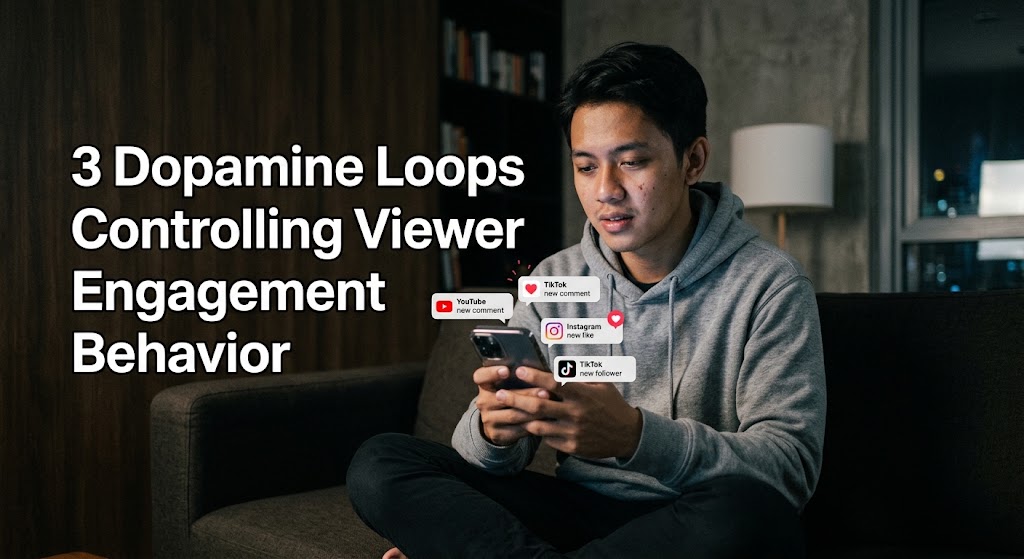
The screen flashes, a notification lands, and suddenly another hour disappears. That uneasy feeling isn’t proof that a platform has literally hijacked your brain, but viewer engagement behavior can be shaped by reward, uncertainty, and social feedback. Research on online social rewards shows that likes and other feedback can activate brain regions involved in reward processing, while dopamine is strongly involved in learning from unexpected outcomes.

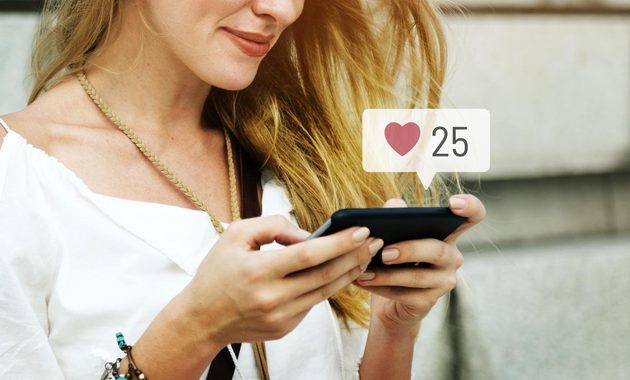
The more interesting question isn’t whether dopamine is somehow being “hacked.” It’s why certain digital experiences make checking, scrolling, and returning feel so automatic.
1. Viewer Engagement Behavior And Dopamine Feedback Loops Behind Endless Checking
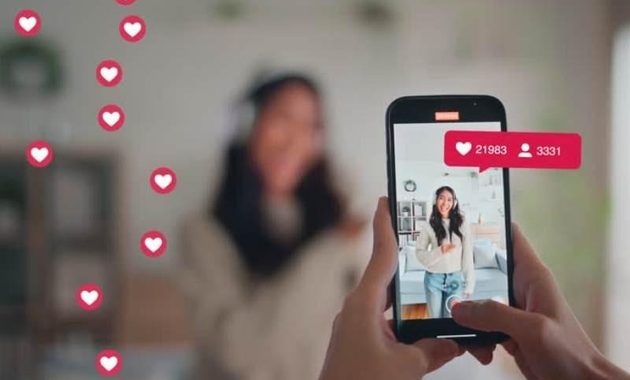
The first loop starts with anticipation. You open a livestream expecting nothing special, then a notification appears. Maybe someone replies to your comment. Maybe the creator mentions your username. Maybe nothing happens at all.
That uncertainty matters.
The Reward Prediction Error Effect
Dopamine is heavily involved in reward prediction error, meaning the difference between what the brain expects and what actually happens. An unexpected positive outcome can generate a stronger learning signal than something completely predictable.
That’s why “maybe something interesting happened” can be surprisingly powerful.
The important distinction is that dopamine isn’t simply a chemical button for happiness. Modern neuroscience treats dopamine signaling as part of a much broader system involving motivation, learning, attention, and reward prediction.
Likes Turn Social Feedback Into Measurable Rewards
A systematic review covering 11 studies and 504 participants found that positive social feedback such as likes was associated with activity in reward-related regions including the nucleus accumbens, ventral striatum, amygdala, and ventromedial prefrontal cortex.
That gives platforms something extremely valuable.
They can turn an invisible social experience into visible numbers.
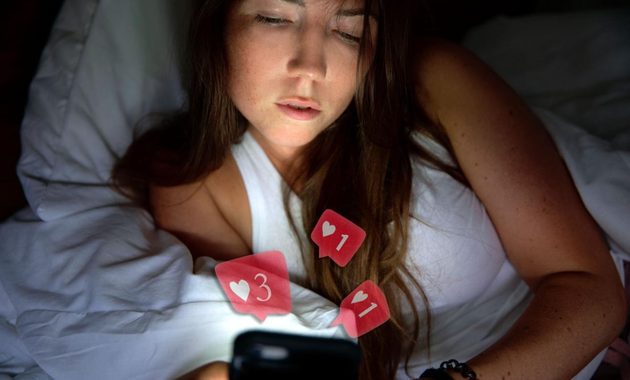
12 likes. 48 viewers. 3 new followers. 1 reply.
Every number becomes another signal to interpret.
Why Notifications Work So Well
The notification itself doesn’t need to be extraordinary. Its value comes partly from anticipation.
You don’t know whether the next tap will reveal:
- A boring update
- A funny reply
- A new follower
- A creator response
- Something completely irrelevant
That variability encourages checking because the outcome isn’t fully predictable.
4
2. Variable Ratio Schedule And Cognitive Stimulation Keep The Feed Unpredictable
The second loop is where the casino comparison often appears.
A variable ratio schedule means reinforcement arrives after an unpredictable number of responses. It’s a well-established behavioral concept, but saying every social platform literally works like a slot machine would oversimplify a much more complicated system.
The Endless Scroll Problem
Traditional media gives you clearer stopping points.
A television episode ends. A magazine has a final page. A livestream can technically continue for hours.
Infinite feeds remove that obvious boundary.
You finish one piece of content and immediately receive another. The brain doesn’t have to make a fresh decision about whether the experience has ended because there is no clear ending.
Cognitive Stimulation Raises The Switching Cost
Fast cuts, comments, reactions, music, visual movement, and constantly changing subjects create dense cognitive stimulation.
That doesn’t automatically mean harm. Interactive media can be entertaining, informative, and socially useful.
The issue is accumulation.
One short clip may be harmless. Hundreds of rapidly changing clips create a very different attentional environment.
The Variable Reward Is More Important Than Constant Reward
If every notification were equally predictable, the novelty would quickly disappear.
Instead, online feedback can fluctuate.
One post receives 20 likes. Another receives 2,000. A creator answers one viewer but ignores hundreds of others. A livestream suddenly becomes exciting after 40 quiet minutes.
Research on reward prediction error helps explain why unexpected outcomes can influence learning and future behavior.
Where The Design Becomes Commercially Useful
For platforms, engagement isn’t just a psychological curiosity.
Longer sessions can create more opportunities for:
- Advertising
- Recommendations
- Subscriptions
- Virtual gifts
- Product discovery
That’s why engagement metrics are valuable business signals.
But there is a major difference between designing an engaging product and deliberately engineering compulsive behavior. The evidence doesn’t justify assuming malicious intent every time a platform uses notifications or recommendations.
3. Parasocial Validation And The Social Reward Behind Returning
The third loop is more personal.
You don’t necessarily return because the content itself is extraordinary. Sometimes you return because someone feels familiar.
When A Creator Starts Feeling Familiar
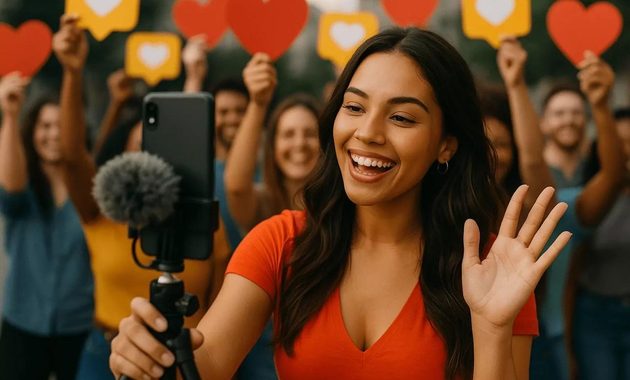
A parasocial relationship is a one-sided social-emotional connection with a media figure. Social media makes this particularly interesting because creators can speak directly to audiences, reply to comments, and reveal pieces of everyday life.
A 2024 review covering 281 studies found that parasocial research has increasingly shifted toward social media, with perceived similarity, credibility, interaction, and community appearing among factors associated with stronger parasocial experiences.
Recognition Can Feel Surprisingly Personal
Imagine watching the same creator every evening.
Eventually, their voice becomes familiar. You recognize their jokes. You know their usual opinions. Then one day they read your comment aloud.
Technically, it’s a tiny interaction.
Emotionally, it can feel much bigger.
That is where parasocial validation becomes relevant. The viewer receives a social signal that resembles personal recognition even though the underlying relationship remains fundamentally asymmetric.
The Good Side Isn’t Fake
This part deserves nuance.
Parasocial relationships aren’t automatically unhealthy. A recent systematic review and meta-analysis found associations with both positive and negative outcomes, with positive well-being outcomes generally showing stronger associations.
They can provide:
- A sense of connection
- Community
- Entertainment
- Inspiration
- Identity exploration
The problem appears when digital interaction starts replacing important offline responsibilities or becomes difficult to control.
That’s also why analytics alone don’t tell the whole story. If you’re interested in understanding the difference between raw numbers and deeper audience interpretation, this YouTube behavior analyst versus basic analytics reader comparison is a useful next step.
The real lesson behind viewer engagement behavior is surprisingly simple. Platforms don’t need a magical brain-control mechanism. They can combine anticipation, unpredictable feedback, novelty, and social connection into an experience that’s naturally difficult to ignore.
Understanding those loops doesn’t mean you have to quit streaming or social media.
It simply gives you the map.
And once you can see the map, that little red notification doesn’t look quite as mysterious anymore.
Q&A
Does dopamine mean social media is addictive?
No. Dopamine is involved in normal learning and motivation. Problematic use is a behavioral pattern involving loss of control and negative consequences, not simply “having dopamine released.”
Is every variable reward system harmful?
No. Variable reinforcement is a behavioral mechanism, not automatically a harmful design. Its effect depends on intensity, context, individual vulnerability, and whether the behavior interferes with everyday life.
Can parasocial relationships actually be beneficial?
Yes. Current research suggests they can support feelings of connection, well-being, coping, and identity exploration, although excessive or problematic engagement can also have downsides.


Nadira Wicaksana is a former social media listening analyst who has monitored creator trends, viral broadcasts, platform updates, and audience conversations across Southeast Asia. She has worked with digital agencies and consumer brands to identify new livestream formats before they become widely adopted. Her articles examine what is gaining attention, why audiences respond to it, and whether a trend has lasting value or is simply passing noise.